What to look for in an Iowa home
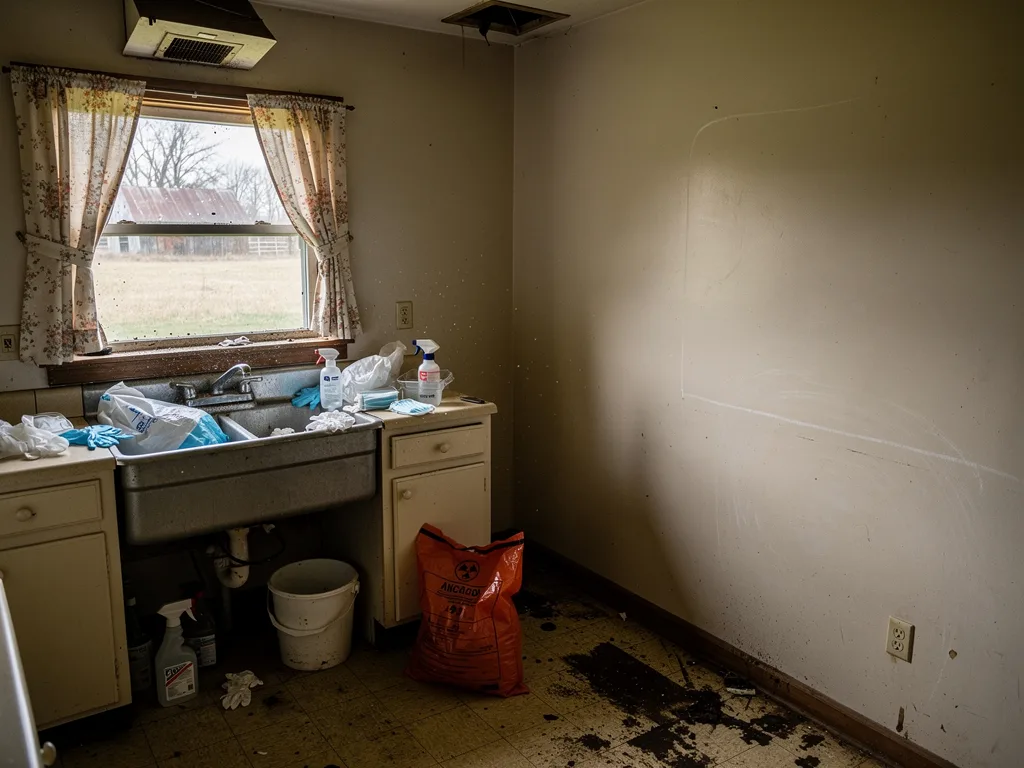
Biohazard cleanup problems often start quietly. In Iowa homes, pay attention to strong, lingering odors, unusual stains, or sections of flooring that feel damp or slippery. These cues aren’t just messy; they can indicate contamination that requires trained hands. Our biohazard remediation technicians have seen mold spores after floods, biofluid residues in restrooms, and chemical smells from improper handling. Recognizing these signals early helps protect your family and your property.
Odors that won’t go away after airing out a room are a red flag. If you notice persistent scents of solvents, decay, or chemical activity, it’s time to assess. In Iowa, seasonal weather shifts can trap moisture in walls or basements, which can fuel hidden hazards. Do not wait for symptoms to worsen; contact a professional for an evaluation so you know what you’re dealing with and what steps to take next.
Why timing matters in a statewide context
From the panhandle to the heartland, a delayed response can allow hazardous residues to migrate through airflow or water intrusions. Our crews in every Iowa metro bring a consistent approach: assess, contain, and plan the cleanup with safety as the priority. Early identification minimizes exposure risk and reduces the chance of secondary damage like furniture staining or floor delamination.
Keep in mind that not all signs look dramatic. A small pool of liquid behind cabinets or a faint metallic odor behind drywall can signal contamination. If you suspect something isn’t right, a professional assessment is the prudent next step. Iowa Biohazard Cleanup Co offers a no-pressure consultation to help you decide what to do next.
What our team does when signs appear
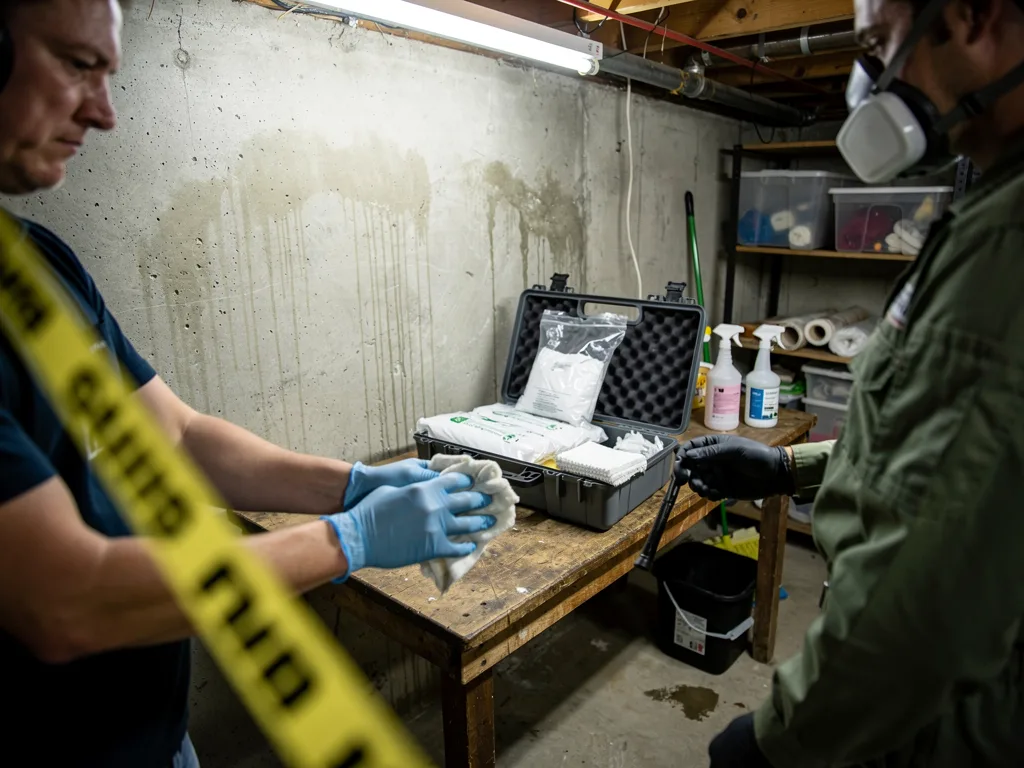
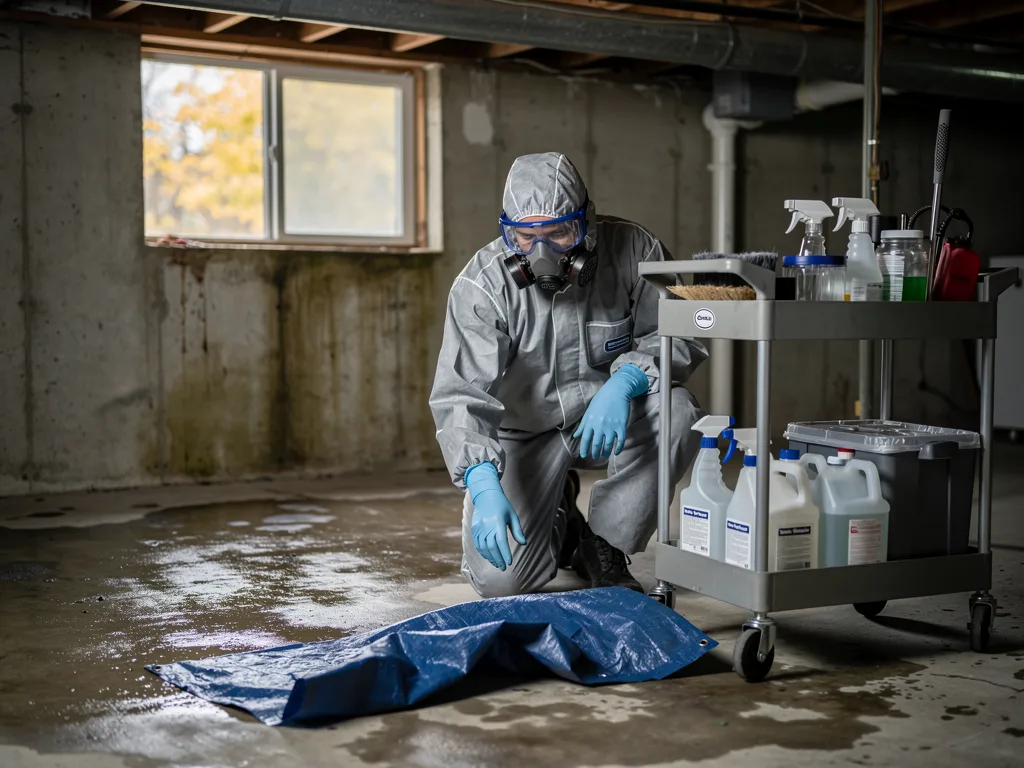
When biohazard cleanup technicians arrive, they start with a careful walkthrough to map the scope. They identify containment needs, establish power and ventilation considerations, and outline a plan that minimizes disruption in your Iowa home. The goal is to protect occupants, preserve safe air quality, and restore the space without cutting corners.
Real-world examples help. A family in central Iowa noticed a strong, sour odor after a minor water intrusion. The response involved isolating the area, removing affected materials, and treating surfaces with approved materials to restore safety. Across Iowa, similar steps help prevent cross-contamination and lead to a cleaner, safer living space.
Quick steps you can take now
Ventilate if it’s safe to do so and avoid stirring up dust. Keep children and pets away from the area. If you must be near the affected area, wear a basic mask and gloves. Do not attempt to scrub or seal off areas without professional guidance. If you’re unsure, call Iowa Biohazard Cleanup Co for guidance or a professional evaluation from a biohazard remediation technician.
- Document the area with photos for your records
- Avoid turning on HVAC systems in the affected zone until a professional advises safety steps
- Schedule a statewide assessment to determine the next steps